How to Tell If Your Roof Repairs Were Done Properly

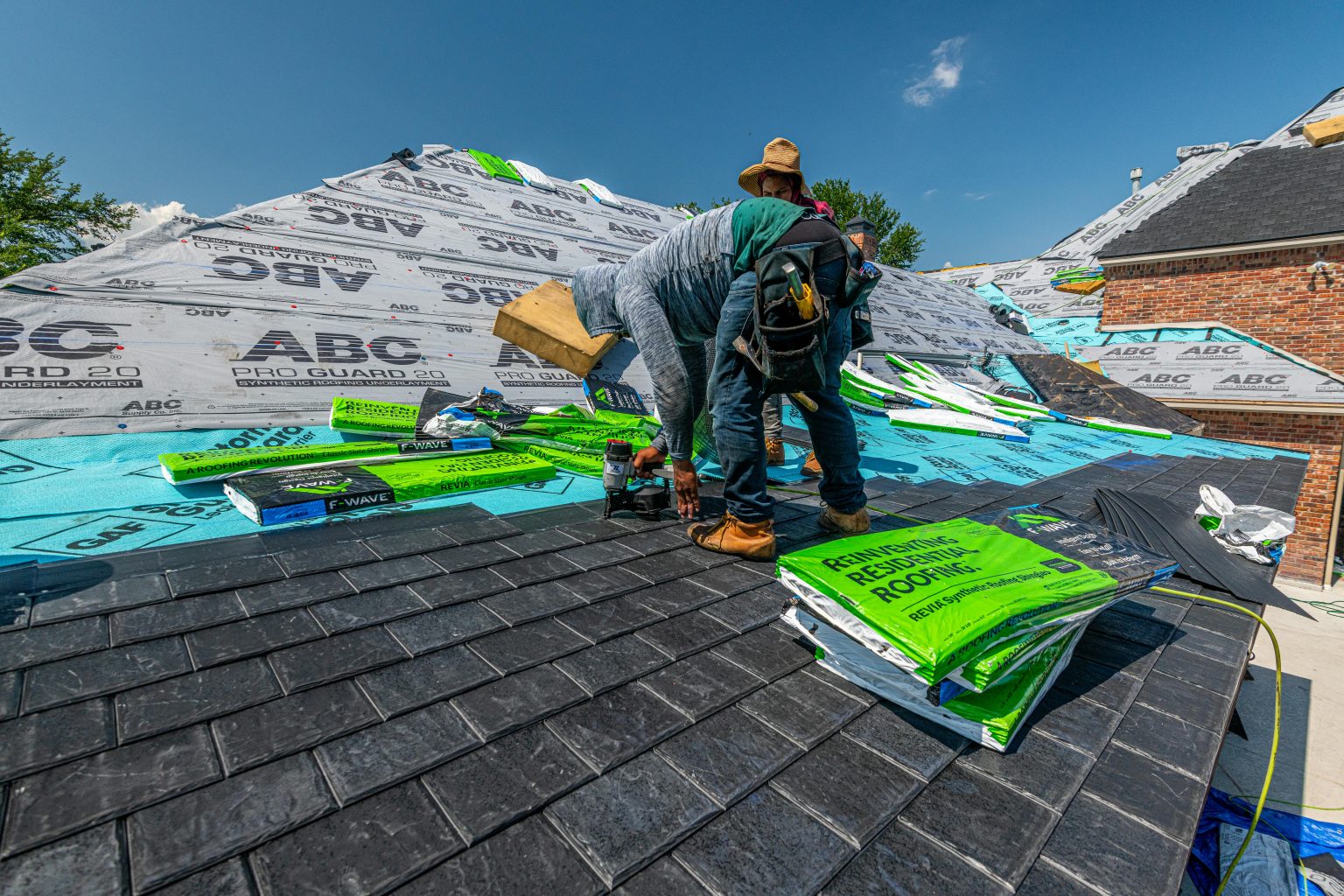
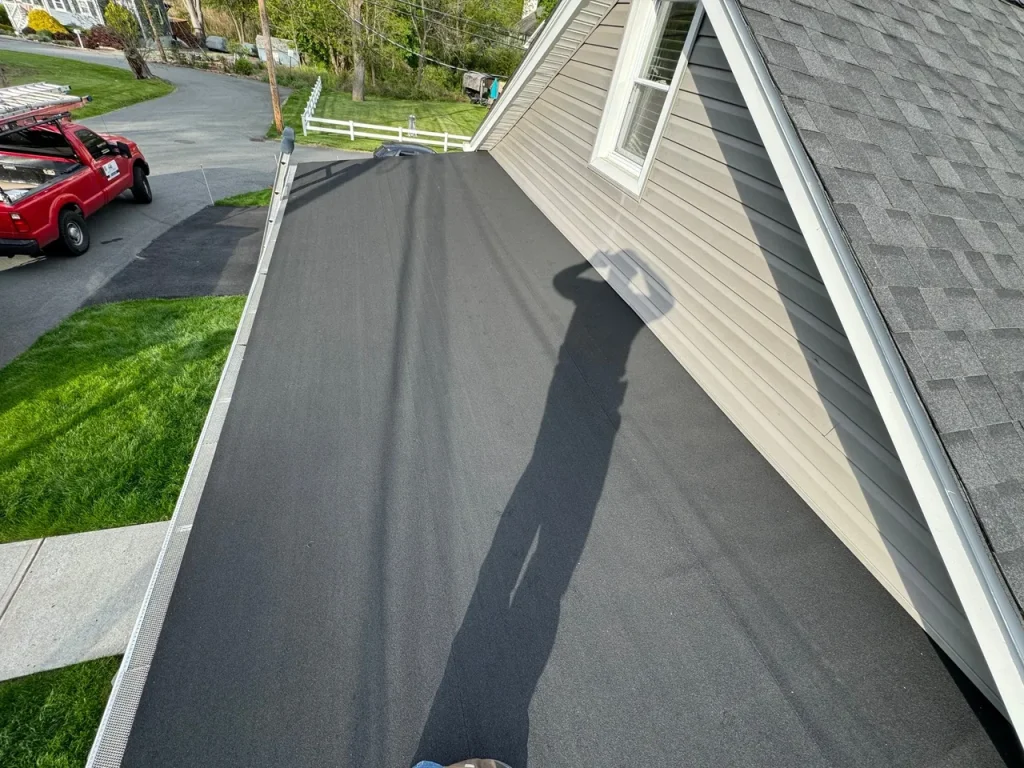
A roof repair can look fine from the driveway and still be wrong in ways that matter. That is what makes this subject tricky for homeowners. Most people are judging work they cannot fully see, on a part of the house they do not walk on, using clues that seem small until the next hard rain turns them into a ceiling stain.
I have seen repairs that held for ten years and repairs that failed in ten weeks. The difference was rarely cosmetic. It was almost always in the details, how shingles were tied into old materials, whether flashing was replaced instead of smeared over, whether the crew solved the source of the leak or simply covered the symptom. Good roof repairs are not mysterious, but they do leave evidence. If you know what to look for, you can tell a great deal without becoming a roofer yourself.
The easiest mistake is assuming that “the leak stopped” means “the repair was done properly.” Sometimes that is true. Sometimes the weather simply has not tested the weak point yet. A proper evaluation looks at appearance, water management, workmanship, and how the repaired area relates to the rest of the roof system.
Start with the goal of the repair
Before judging the work, be clear about what the repair was supposed to do. A replaced pipe boot is different from a patched valley. A handful of wind-damaged shingles is different from a repair around a chimney where flashing had failed. When homeowners feel uncertain afterward, it is often because nobody explained the scope in plain language.
A proper roof repair should do three things at once. It should stop water intrusion at the actual source. It should blend into the existing roofing system without creating a new weak point. It should also last a reasonable amount of time relative to the age and condition of the roof. On a fifteen-year-old roof, a repair may look slightly different from the surrounding material because weathering and color fade are unavoidable. That is normal. Sloppy installation is not.
Ask yourself a basic question: did the contractor repair the cause, or only the visible damage? If a leak around a vent pipe was caused by a cracked boot, then replacing just the stained decking inside the attic would not solve anything. If shingles blew off because the fastening pattern was wrong, simply gluing them down would be a short-lived fix. Proper work addresses the failure point.
What good roof repairs usually look like from the ground
Most homeowners first inspect a roof from the yard, and that is not a bad place to begin. Stand back far enough to see the roof plane as a whole. Then look for irregularities in the repaired area compared with the surrounding sections.
A clean repair usually lies flat. The shingle lines should follow the same pattern as the existing courses, and the repaired section should not appear raised, sunken, rippled, or cobbled together from mismatched pieces. Color difference alone is not proof of poor work, especially if the original shingles are older. Fresh asphalt shingles almost always stand out next to weathered ones. What matters more is whether the repaired area looks integrated rather than pasted on.
Pay attention to geometry. Crooked shingle exposure, inconsistent spacing, and obvious offsets are warning signs. Roofers sometimes have to work around brittle old material, and repairs are not always cosmetically perfect, but the lines should still make sense. A patch that draws your eye immediately usually deserves a closer look.
Also look at nearby roof penetrations and edges. If repairs were made near a vent, skylight, wall intersection, chimney, or valley, the transitions should look deliberate and tidy. These are the places where water changes direction, and where rushed work tends to show.
The signs that matter more than neat appearance
A visually tidy patch can still fail, while a slightly noticeable repair can be structurally sound. That is why the next layer of inspection should focus on performance clues.
Inside the house, check the ceiling and attic after the first substantial rain. A proper repair should not leave fresh stains, damp insulation, musty odor, or darkened wood around the previous leak path. Sometimes old stains remain visible long after a leak is fixed, so use your hand, a moisture meter if you have one, or simple timing. If the stain grows or feels damp after rain, the problem remains.
Outside, water should shed cleanly. That means no debris-catching lips, no exposed gaps where runoff can work underneath, and no heavy smears of roof cement spread like frosting over an area that should have been mechanically flashed or properly shingled. Sealant has Roof Repairs its place in roof repairs, but it should support correct installation, not replace it.
One of the clearest signs of poor workmanship is overreliance on caulk. A small bead at a flashing edge may be fine. A broad black patch slathered over shingles, nails, and metal usually means someone was trying to force a quick fix. Those repairs often crack under sun exposure, trap water, or direct it sideways into other vulnerable points.
Flashing is where many repairs succeed or fail
If I had to choose one element homeowners should care about most, it would be flashing. Leaks often get blamed on shingles because shingles are visible, but a remarkable number of failures happen where roofing meets a penetration or vertical surface. Chimneys, sidewalls, plumbing vents, dormers, and skylights all depend on flashing details.
Proper flashing work looks intentional and layered. Water should be directed over materials, not into seams. Step flashing along a wall should be integrated with each shingle course, not skipped and covered with sealant. Chimney flashing should include counterflashing where appropriate, not just a bead of caulk at the brick joint. Pipe boots should sit correctly around the penetration, without distortion or exposed cracking.
Homeowners are often shown a repair from close up and told, “We sealed it.” That is not always reassuring. Sealing can help, but flashing is what manages water over the long term. A good roofer understands that roofs are not waterproof because of glue alone. They are water-shedding systems built on overlap, gravity, and correctly placed materials.
If your repair involved one of these detail areas and the crew finished in a surprisingly short time, ask what was actually replaced. A full flashing repair usually takes more thought than a surface patch. That does not mean every fast repair is bad, but it does mean detail work should have a clear explanation.
What to look for if you can safely inspect more closely
Not every homeowner should climb a ladder, and walking a roof is out of the question for many surfaces, especially steep asphalt roofs. Safety comes first. But from a securely positioned ladder at the eave, or with a good pair of binoculars, you can often spot details that tell the story.
Here are some practical checks that often reveal whether roof repairs were done properly:
- Shingles should lie flat and be fully seated, without lifted corners, buckling, or tabs that flap in the wind.
- Nails should not be exposed in the field of the repair unless the roofing system specifically allows visible fastening in that location, and even then they should be sealed correctly.
- Flashing edges should look fitted and purposeful, not bent randomly or heavily buried under roofing cement.
- The repaired section should match the surrounding shingle exposure and course alignment as closely as the existing roof condition allows.
- There should be no leftover debris, loose granules in unusual amounts, abandoned fasteners, or torn materials around the work area.
That short checklist catches many of the common shortcuts. Exposed nails, in particular, deserve attention. There are legitimate places for face-nailing in some repair situations, especially on steep or high-wind details, but exposed fasteners should be deliberate and properly sealed, not accidental.
The attic often tells the truth
Homeowners tend to focus on the roof surface because that is what the contractor worked on, but the attic is often more revealing. During or after a steady rain, take a flashlight and look at the underside of the roof decking near the repaired area. You are not just looking for dripping water. You are looking for darkened wood, shiny moisture, rusty nail tips, matted insulation, or a pattern of staining that extends beyond the original leak.
A repaired roof area should not create new ventilation problems or trap moisture where it did not before. If someone patched from the exterior but ignored wet insulation or soaked sheathing, the leak may be stopped but the hidden Roof Repairs damage may continue to smell, mold, or decay. That is not necessarily proof the roof repair itself failed, but it can mean the job was incomplete.
There is also a subtle point here. Water rarely drips straight down from where it enters. It can travel along rafters, decking seams, or fasteners before showing up on a ceiling. If a contractor claimed a specific source with great certainty but did very little diagnostic work, be cautious. Proper roof leak diagnosis often includes tracing the path, checking penetrations upslope, and understanding how the roof sheds water during wind-driven rain.
Weather is the real test, but timing matters
The first storm after the repair is important, but one storm does not prove everything. A repair around a valley may survive a moderate shower and still fail during a wind-driven downpour. A patch on a low-slope section may seem fine in dry weather and then slowly leak during a week of repeated rain. That is why it helps to judge performance over a few weather events, not a single afternoon.
If you can, make notes. What kind of rain caused the original leak? Light but prolonged, heavy and sudden, or blowing sideways from one direction? Roof leaks are often condition-specific. A repair should address the conditions that triggered the problem, not just produce a dry result on an easy day.
There is also the issue of sealant cure time and thermal sealing on asphalt shingles. Some shingles need warmth and sunlight to bond fully after installation. So a slightly lifted tab right after the repair may not be failure. It may settle within days. A good contractor should tell you that in advance if it applies. What should not happen is ongoing movement, repeated lifting, or a return of water intrusion.
When a repair blends well, and when that should make you suspicious
Homeowners often want repairs to disappear, and that is understandable. But invisible is not always possible. New shingles on an older roof usually look newer. Metal flashing may appear cleaner than surrounding components. A proper repair can be slightly noticeable and still be excellent work.
What should make you suspicious is a repair that seems designed only to hide itself. For example, a heavy application of colored roof mastic may be used to camouflage a rushed patch. From a distance it looks acceptable. Up close it reveals that no proper weaving, reflashing, or material replacement happened underneath.
The best repairs aim for both performance and reasonable appearance. On a roof with years of weathering, “reasonable appearance” might mean the lines are straight, the texture is consistent, and the materials are appropriate, even if the color is not a perfect match. A contractor who promises an exact match on very old shingles may be overpromising. A contractor who dismisses obviously crooked or patchy work by saying “it’s just cosmetic” may be underdelivering.
Common excuses that deserve a second look
Not every imperfection is a defect, but some explanations show up so often that they are worth decoding. If you hear them, press gently for specifics.
These responses often signal that you should inspect more carefully or ask for documentation:
- “We sealed it, so you’re good now.”
- “That’s how all repairs look on an older roof.”
- “The leak must be coming from somewhere else” despite no new inspection.
- “We couldn’t replace the flashing without replacing the whole roof” when the area is clearly repairable.
- “Give it time” without any explanation of what is expected to change and why.
There are cases where each statement could contain some truth. Older roofs do complicate repairs. Some leak paths are deceptive. Whole-roof replacement can indeed be the better option at the end of a roof’s service life. The issue is whether the contractor can explain the reasoning in specific, technical terms. Vague reassurance is not the same as a sound diagnosis.
Documentation is part of proper workmanship
One habit I respect in good roofing contractors is simple documentation. They take before-and-after photos. They point out the failed component. They explain whether flashing was replaced, whether decking was soft, whether additional issues were found, and what materials were used. That level of communication is not just customer service. It is evidence that the work followed a thought process.
If your repair was substantial, ask for photos taken during the work. You want to see what was under the shingles, whether rotten decking was replaced, and how the new materials were layered in. Surface photos after the fact are useful, but progress photos are better. They show whether the contractor merely patched the top or rebuilt the assembly correctly.
A written invoice should also be specific enough to be meaningful. “Roof repair completed” tells you almost nothing. “Removed and replaced damaged shingles at rear valley, installed new ice and water shield in affected section, replaced step flashing at wall intersection, sealed exposed fasteners” gives you a basis for judging the job later.
Age and roof type change the standard
A proper repair on a three-year-old architectural shingle roof should usually look quite clean and cohesive. A proper repair on a twenty-year-old three-tab roof may be more visually obvious because materials are brittle, color-matched products may no longer exist, and disturbing surrounding areas can create collateral damage. That does not excuse poor work, but it does affect what “done properly” looks like.
The same is true across roof types. Asphalt shingles, standing seam metal, tile, wood shake, and low-slope membranes all have different repair standards. On metal roofs, for example, improper use of caulk and exposed fasteners is especially common. On tile roofs, broken tiles may be the visible issue while underlayment and flashing are the real concern. On low-slope roofs, ponding water, seam integrity, and membrane compatibility matter more than shingle alignment.
If a contractor repairs a roof type that requires specialized knowledge, ask how often they work on that system. General roofing skill helps, but some details are system-specific. A repair that looks tidy to a nonprofessional can still violate the manufacturer’s method or the basic drainage logic of the roof.
When to bring in a second opinion
There are times when homeowner inspection is not enough. If the leak continues, if the repair area feels soft, if the contractor cannot explain what was done, or if the work involves a high-risk detail like a chimney, skylight, or low-slope transition, a second opinion is money well spent. So is an independent inspection when the repair cost was significant and you want confidence before the warranty period moves on.
A second opinion is especially valuable when the first contractor keeps returning to add more sealant without identifying a root cause. Repeat patching is one of the clearest signs that the diagnostic process is failing. Roof repairs should not become a ritual of chasing symptoms.
In many cases, a skilled inspector or another reputable roofer can tell within minutes whether the original work was thoughtfully executed. They will look at fastening, material overlap, flashing integration, drainage path, and the condition of adjacent components. That kind of assessment is far more useful than a casual glance from the ground.
The difference between a decent patch and a durable repair
Not every repair needs to restore a roof to like-new condition. Sometimes the goal is to get a few more reliable years from an aging roof before replacement makes financial sense. That is a legitimate strategy, and good contractors often say so plainly. But even a temporary repair should be honest, mechanically sound, and appropriate to the situation.
A decent patch buys time. A durable repair restores function at the failure point and reduces the chance of repeat leakage. The line between the two is not always about cost. It is about whether the method matches the problem.
If your roof repair was done properly, you will usually see a combination of things: the area looks orderly, the materials lie flat, flashing details make sense, the attic stays dry, and the contractor can explain exactly what failed and how they corrected it. That is the real standard. Not perfection from the curb, not vague promises, and not a generous layer of sealant over a persistent problem. Proper Roof Repairs earn trust the old-fashioned way, by keeping water where it belongs, outside the house.
Royalty Exteriors
151 NJ-10 Suite 103A
Succasunna, NJ 07876, United States
+1 973-333-7234
FAQ About Roof Repairs
Can you fix a roof leak without replacing the whole roof in Succasunna,NJ?
Often, a localized leak can be repaired without replacing the entire roof, depending on its cause and the condition of the surrounding materials. Damaged shingles, flashing, or a roof penetration may need targeted work. Royalty Exteriors offers roof repairs for leaks, storm damage, and shingle issues. An inspection is needed to determine the appropriate scope.
What is considered a minor roof leak?
A leak may be considered minor when the damage is limited to a small area and the surrounding roofing remains sound. A small ceiling stain alone does not establish the extent of the problem because water can travel before becoming visible. Have the source and any concealed damage assessed promptly.
Is it better to repair or replace a leaky roof?
The decision depends on the roof's age, overall condition, leak source, extent of damage, and history of previous repairs. A localized problem on an otherwise serviceable roof may be suitable for repair. Widespread deterioration or recurring leaks may justify considering replacement. Ask for an inspection and a written explanation of the recommended work before deciding.